Trailers That Stop Rolling Safely Again
Trailer Repair in Taylor for brake failures, lighting issues, and structural damage that sidelines hauling equipment
When a trailer's brakes lock during a haul or lighting circuits fail before nightfall, the load stops moving until the failure is corrected—and Klinger's Shop handles trailer repairs for commercial trailers, agricultural equipment haulers, and flatbeds operating across Taylor and western Wisconsin. Brake system failures show up as uneven stopping, wheels that won't release after air pressure drops, or complete loss of braking force when glad hands leak or chambers rupture. Mobile repair capabilities mean trailers don't always need towing to a shop, especially when the failure involves accessible components like air lines, lights, or tire issues.
Repairs address mechanical and structural failures across dry vans, flatbeds, and utility trailers—brake chamber replacements, slack adjuster corrections, suspension spring and hanger repairs, door hardware fixes, and tire mounting for roadside blowouts. Trailers operating on gravel roads and farm lanes around Taylor experience different wear than highway-only equipment, with suspension components and lighting harnesses taking more abuse from dust, moisture, and vibration.
Schedule a trailer inspection if you're noticing uneven tire wear, air leaks, or intermittent brake performance before a breakdown forces the issue.
How Trailer Brake Systems Are Restored
Trailer brake repairs begin by identifying whether the failure is in the air supply system, the mechanical linkage, or the friction components inside the drum, because replacing chambers won't fix a problem caused by corroded slack adjusters or worn drums. Technicians test air pressure at each axle, check for leaks at glad hands and supply lines, and measure pushrod travel to determine if chambers are functioning or if adjusters have seized from rust and road salt common in Wisconsin winters.
Once repairs are complete, you'll notice brakes apply evenly across all axles without pulling, wheels release fully when air pressure drops, and the trailer stops predictably without grabbing or fading under load. Proper adjustment means pushrod travel stays within spec and braking force distributes correctly instead of overworking the tractor's brakes.
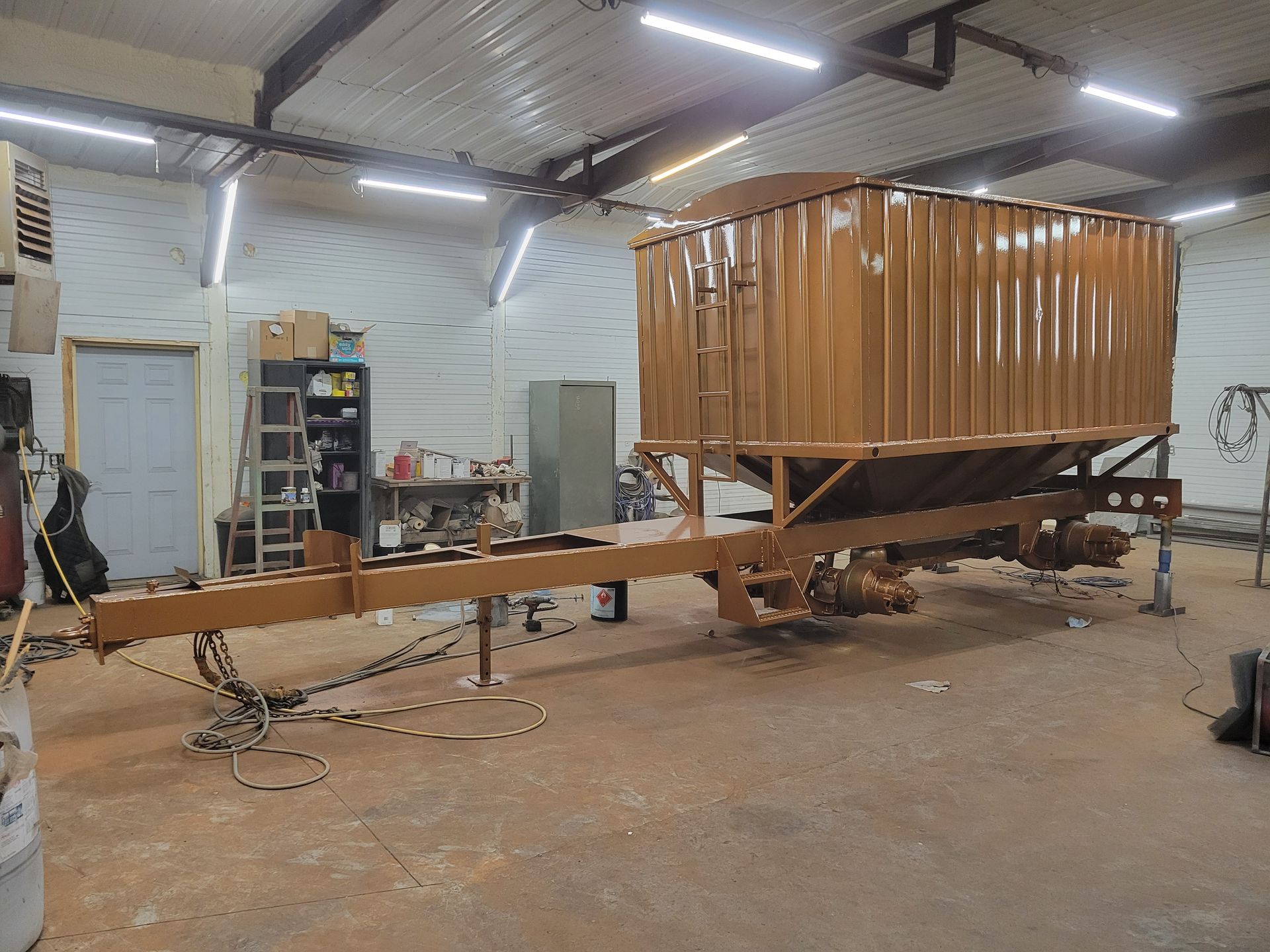
Structural repairs for trailer frames, door hinges, and cross-members require welding equipment and aren't always fieldable depending on the damage location and whether the trailer is loaded. Routine maintenance—greasing suspension pivots, checking kingpin wear, and replacing worn lighting—prevents failures that would otherwise strand trailers mid-route.
What Fleet Operators Need to Know
Trucking companies and independent haulers managing trailer maintenance across routes often have specific concerns about downtime and repair logistics.
What trailer failures can be repaired on-site versus requiring shop work?
Mobile repairs handle brake adjustments, air line replacements, lighting circuit fixes, tire changes, and door hardware—anything accessible without lifting the trailer or removing major assemblies. Frame welding, axle replacements, and floor repairs need shop equipment and aren't fieldable.
How does brake adjustment differ between loaded and empty trailers?
Slack adjusters must be set so brakes apply correctly under load without over-braking when empty, which means adjustment happens with the trailer at typical operating weight. Setting brakes on an unloaded trailer often results in grabbing or lockup once cargo weight is added.
Why do trailer lights fail more frequently than tractor lights?
Trailer lighting harnesses run the full length of the frame, endure more flexing and vibration than tractor circuits, and sit lower where road spray and debris cause corrosion in connector pins. Flatbeds and agricultural trailers see even faster wear because harnesses aren't protected inside enclosed bodies.
What indicates suspension components need replacement before they fail completely?
Uneven tire wear across an axle, visible cracks in spring leaves, or the trailer sitting noticeably lower on one side all signal suspension damage that will worsen under load. Replacing worn components during scheduled maintenance prevents roadside breakdowns.
When should trailers operating around Taylor receive inspections?
Trailers hauling agricultural loads on gravel roads or making frequent short trips should be inspected more often than highway-only units, because rough surfaces and stop-and-go operation accelerate wear on brakes, suspension, and tires compared to steady interstate running.
Klinger's Shop provides both emergency trailer repair and scheduled maintenance for fleets operating across western Wisconsin's farming and industrial routes. Contact the shop to arrange service for trailers experiencing brake issues, lighting failures, or structural damage.